PHONE US: (778) 484 1484

What is sleep apnea?
March 15, 2017
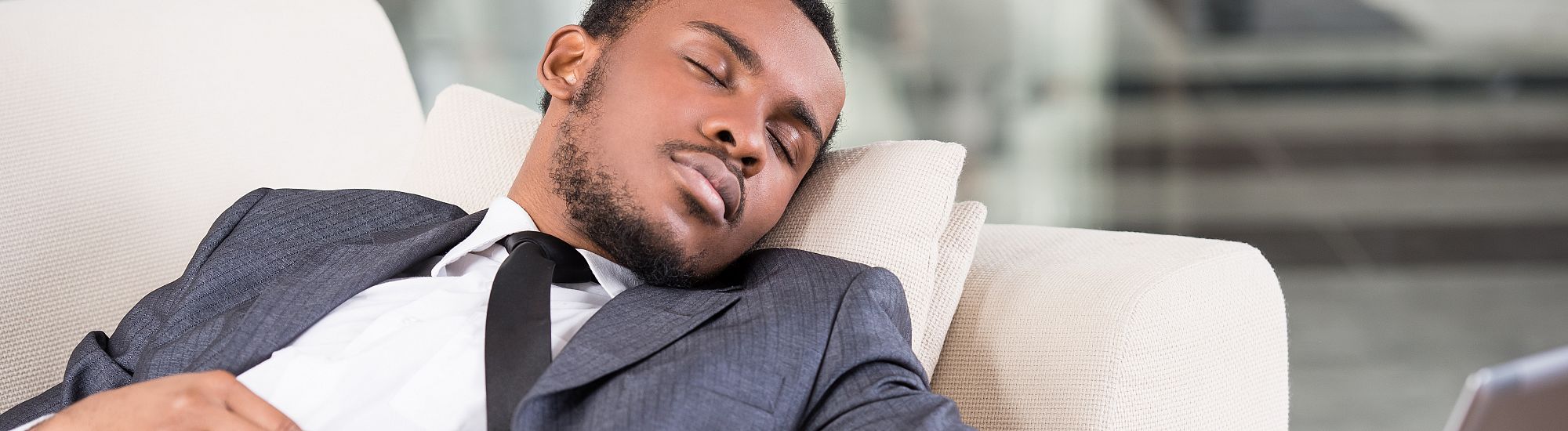
Getting a full night’s sleep can make all the difference in our day-to-day lives. Trying to focus at work or school is almost impossible when you’re tired, so ensuring you're getting enough quality sleep is important to your success, not to mention your overall health.
There are many things that can contribute to a lack of sleep, but they can all result in serious health consequences, so it’s not something to take lightly.

What is sleep apnea?
Sleep apnea is a condition where you hold your breath for extended periods of time while sleeping. There are two main types: obstructive and central sleep apnea. It a serious sleep disorder that can affect anyone at any age, and can result in high blood pressure, stroke, heart failure, diabetes, depression, and headaches.
Obstructive sleep apnea
Obstructive sleep apnea (OSA) is the more common form of sleep apnea that occurs when the soft tissues of your throat relax, allowing the tongue and fatty tissues of the throat to fall back into the airways, impeding normal breathing.
As the air is blocked and blood flow to the brain slows it will send a signal to the body, which will result in a sudden gasping, choking, or snoring sound as the person fights to get air past to obstruction. The process will then repeat itself up to hundreds of times in a night. Needless to say, this results in a restless sleep and will lead to a variety of health consequences.
Central sleep apnea
Central sleep apnea (CSA) is a result of an instability in the respiratory control center, and not of a physical blockage. Much less common, it is a result of the brain failing to signal the muscles to breath.
This condition will cause a shortness of breath, leading you to wake up or experience irregular breathing during sleep. Although it may seem less severe, the long term symptoms and health risks remain the same.
Treatments
The first option of treatment is a lifestyle change. Losing weight, avoiding alcohol, and eliminating certain medications are often the first steps of treatment. Even a change in sleep position can help in milder cases of sleep apnea.
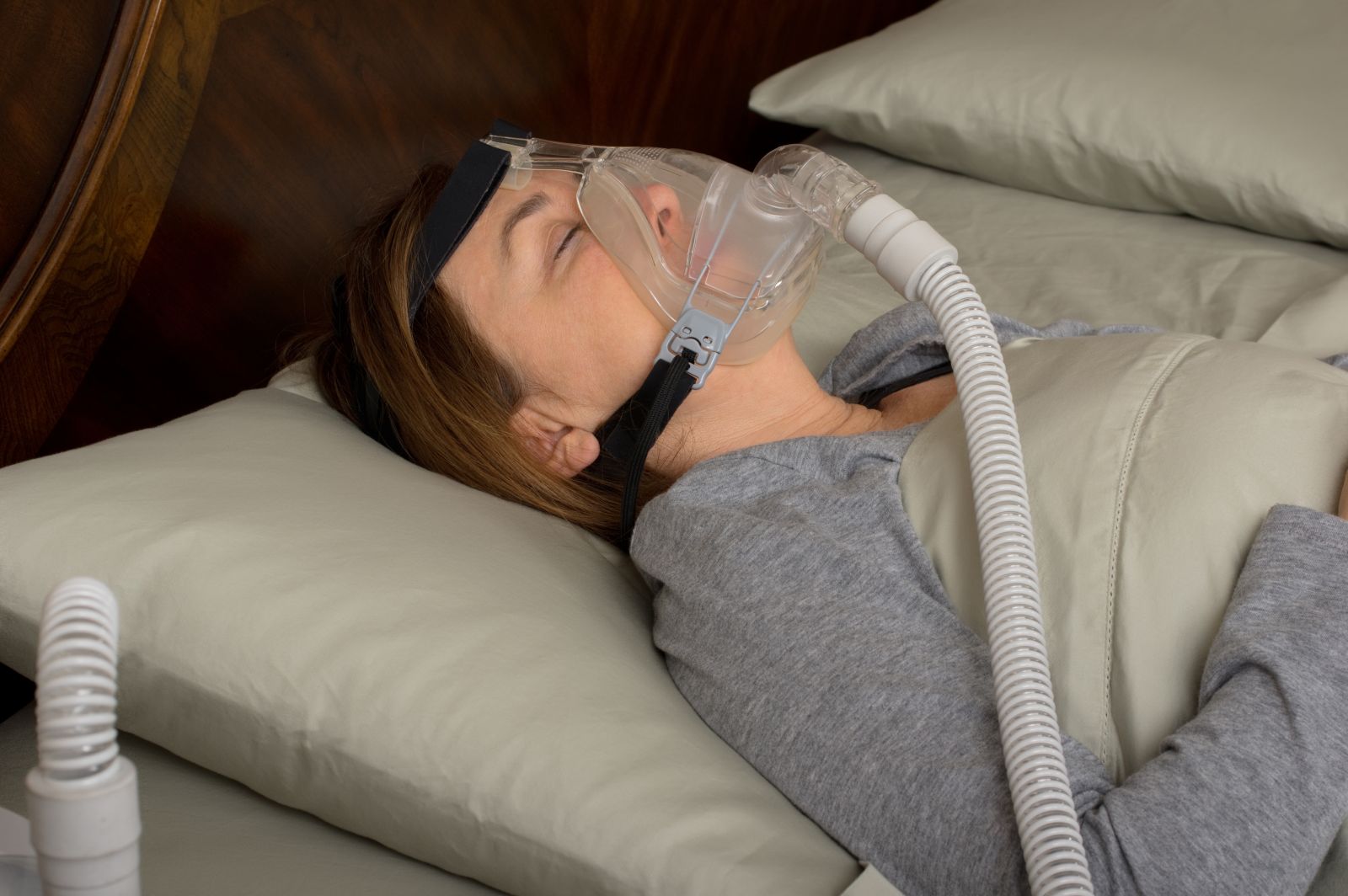
In more severe cases, a continuous positive airway pressure machine (CPAP) may be used to regulate airway pressure throughout the night. The air is delivered through a nose or mouth piece that is connected to a machine. In many cases it provides great relief, but for others it is very uncomfortable
For those that struggle with the use of a CPAP machine, there is another option. Dental devices can be used to hold your tongue and jaw forward to keep them from relaxing and blocking the airway.
Dr. Mark Provencher is both highly trained and experienced in sleep apnea, and can help you find the right solution for you.
The Smiles Around the Thanksgiving TableOctober 8, 2026
Some Thanksgiving smiles arrive before dinner does. ...
Read MoreScreen Time, School Stress and Sore Jaws: Recognizing TMJ Symptoms in TeensSeptember 16, 2026
The school day may end at the final bell, but a teenager's jaw can stay busy long afterward....
Read MoreAlways Tired After the School-Day Alarm? Signs of Sleep Apnea in Children to Watch ForSeptember 3, 2026
September mornings can be a shock to the system. After a summer of later bedtimes and slower starts,...
Read More