PHONE US: (778) 484 1484

What is the deal with wisdom teeth?
January 4, 2017
They’re the last teeth to develop, and for most of us they cause nothing but trouble. So, why do you have them and what should you do about it? Here’s what you need to know.
What are they?
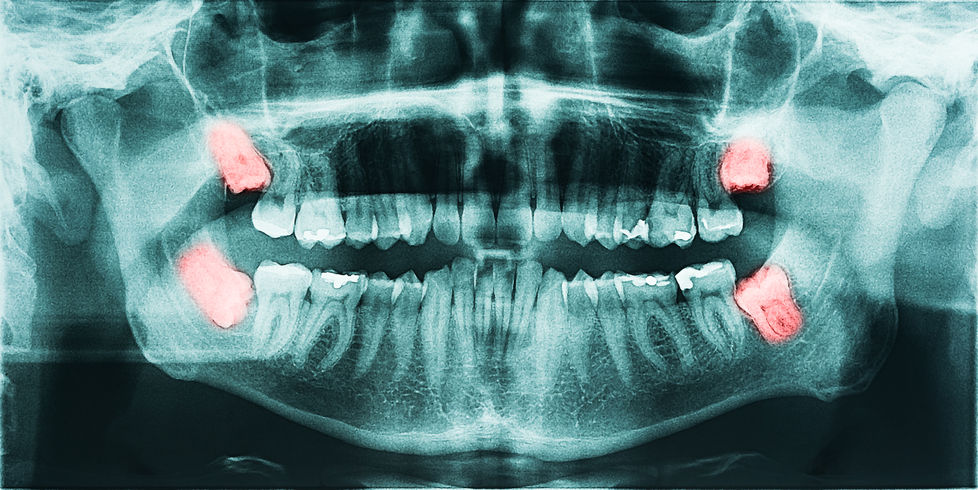
Wisdom teeth are actually a third set of molars that are widely believed to be vestigial organs, or a part of our body that has become functionless through evolution. Historically, the human diet consisted of tough foods like roots, nuts and meat, and we needed a lot more chewing power. Now, with a diet of much softer food and inventions like eating utensils, our jaws have become much smaller.
Why are they called “wisdom” teeth?
As you may know, teeth come in stages. Unfortunately, by the time the wisdom teeth show up the tooth fairy most likely won’t tuck a coin under your pillow. The process of losing baby teeth and the replacement by permanent teeth is quite organized. Your first set of molars will usually show up when you’re about six, with the second set following around 12. Wisdom teeth, however, may not erupt until you’re 25—hence that name as this is the age people are said to become wiser.
Why do I have to get them out?
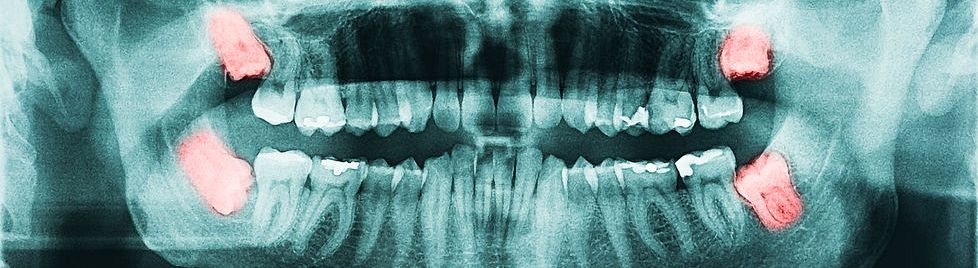
Perhaps the most important question, and the one we avoid asking, is whether to have them removed earlier in life or later (or at all). As our jaws have become smaller, in most cases there is no longer room for the wisdom teeth to come in fully. Therefore, they commonly become impacted or blocked by the teeth around them. Some may remained tucked away, and only visible on x-rays, but this can also lead to problems of overcrowding or displacement of other permanent teeth.

Of course, if your wisdom teeth come in and cause no problems at all, you are one of the lucky ones and there’s no need to have them removed (not to mention those who are born without them entirely). If you are concerned about what your wisdom teeth are doing, whether they’re still floating around beneath the surface or starting to emerge, Dr. Mark Provencher can help. While many wisdom tooth extractions are simple, some can be tricky and surgery or sedation may be required for more difficult cases.
The Smiles Around the Thanksgiving TableOctober 8, 2026
Some Thanksgiving smiles arrive before dinner does. ...
Read MoreScreen Time, School Stress and Sore Jaws: Recognizing TMJ Symptoms in TeensSeptember 16, 2026
The school day may end at the final bell, but a teenager's jaw can stay busy long afterward....
Read MoreAlways Tired After the School-Day Alarm? Signs of Sleep Apnea in Children to Watch ForSeptember 3, 2026
September mornings can be a shock to the system. After a summer of later bedtimes and slower starts,...
Read More