PHONE US: (778) 484 1484

Are Summer Drinks Damaging Your Teeth? What to Know Before Your Next Iced Coffee, Lemonade, or Sports Drink
June 30, 2026 by Dr. Mark Provencher
A cold drink can feel like a summer essential in Kelowna. Iced coffee on the way to work, lemonade at the beach, a sports drink after soccer, or something fizzy on a patio all feel harmless enough in the moment.
But some summer drinks bad for teeth are not obvious because they do not always taste overly sweet. Many popular drinks are acidic, sugary, or sipped slowly over a long period of time, which can increase how long your teeth are exposed to enamel-wearing conditions.
This does not mean you need to give up every drink you enjoy. It means understanding which habits matter most, especially during Okanagan summers when people are outside more, sweating more, and reaching for cold drinks more often.
What Makes Some Drinks Bad for Teeth?
Some drinks are harder on your teeth because they contain sugar, acid, or both. Sugar can feed bacteria in the mouth, while acid can soften enamel and contribute to erosion over time.
A drink does not have to be pop to affect your teeth. Lemonade, sports drinks, energy drinks, iced tea, sweetened coffee drinks, fruit juice, wine, and some sparkling beverages can all create challenges depending on how often you drink them and how long they stay on your teeth.
Drinks that are bad for teeth usually have one or more of three things: sugar, acidity, or frequent sipping. The more often teeth are exposed to sugar and acid, the more likely it is that enamel can weaken and cavity risk can increase.
According to the Canadian Dental Association, choosing water more often and reducing sugary drinks can help support oral health. Water also helps keep the mouth moisturized and can help wash away food and beverage debris.
Why Summer Drinks Can Be Tough on Enamel
Tooth enamel is strong, but it is not invincible. Acidic drinks can temporarily soften the enamel surface, and frequent exposure can contribute to erosion over time. Once enamel is worn away, it does not grow back.
In the summer, the issue is often frequency. You may not sit down and drink five cans of pop, but you might sip an iced coffee for two hours, have lemonade at lunch, drink a sports drink after activity, and finish the day with a patio drink. That repeated exposure can add up.
The risk is not just what you drink, it is how often your teeth are exposed to it.
The American Dental Association identifies frequent consumption of acidic fruit and sport drinks, especially when combined with dehydration and reduced saliva flow during activity, as a factor that may increase erosion risk.
Common Summer Drinks That May Affect Teeth
You do not need to panic over one iced coffee or lemonade. The bigger concern is when these drinks become daily habits, are sipped over long periods, or replace water.
Common drinks that may affect teeth include:
-
Iced coffee with sugar, syrups, creamers, or flavour shots
-
Lemonade and citrus-based drinks
-
Sports drinks
-
Energy drinks
-
Pop and sweetened sparkling drinks
-
Sweet iced tea
-
Fruit juice
-
Wine, cider, and cocktails
-
Slushies and frozen drinks
Sports drinks and teeth can be a tricky combination because many sports drinks contain sugar and acids. They may be useful in certain high-intensity or long-duration activity settings, but for casual summer hydration, water is often the better everyday choice.
Iced Coffee, Staining, and Slow Sipping
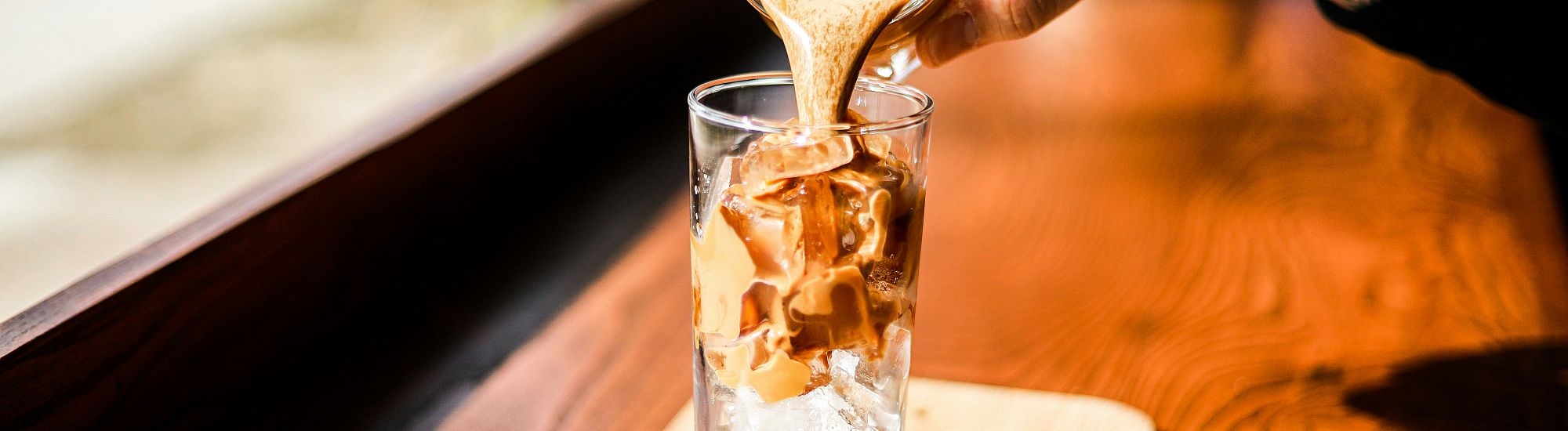
Iced coffee deserves its own mention because it is one of the most common summer habits. Coffee can contribute to staining, and when it is loaded with sugar or syrup, it can also increase cavity risk.
The bigger issue is often how it is consumed. A coffee finished in 15 minutes is different from one sipped throughout the entire morning. Slow sipping repeatedly exposes teeth to the drink and gives your saliva less chance to naturally help reset the mouth.
Is iced coffee bad for your teeth? Plain iced coffee in moderation is not automatically a dental problem, but sweetened iced coffee, frequent sipping, and poor hydration can increase the risk of staining, bad breath, and cavities.
If you love iced coffee, you do not necessarily need to quit it. Consider drinking water alongside it, avoiding extra sugar when possible, and not letting it sit on your desk for half the day.
Lemonade, Citrus, and Acidic Drinks
Lemonade feels like the official drink of summer, but it combines two things teeth do not love: acid and sugar. Citrus drinks can soften enamel temporarily, and brushing immediately after acidic drinks may be too abrasive for enamel that has just been exposed to acid.
A better approach is to rinse with water after acidic drinks and wait before brushing. You can also use a straw when appropriate to reduce contact with the teeth, though it will not eliminate exposure completely.
Acidic drinks and teeth can be a problem because acid can soften enamel. Over time, frequent acidic drink exposure may contribute to sensitivity, enamel wear, and a higher risk of cavities.
Dry Mouth Makes the Problem Worse
Summer heat, sweating, caffeine, alcohol, some medications, and not drinking enough water can all contribute to dry mouth. This matters because saliva helps protect teeth.
Saliva helps rinse away food particles, neutralize acids, and support a healthier oral environment. When the mouth is dry, bacteria and acids can stay on teeth longer. Mayo Clinic notes that dry mouth can contribute to increased plaque, tooth decay, and gum disease.
Dry mouth is more than an inconvenience; it can change the way your teeth and gums are protected.
If your mouth feels sticky, your breath seems worse than usual, or you feel like you constantly need water, it is worth paying attention. Persistent dry mouth should be discussed with a dentist or healthcare provider, especially if it is new, worsening, or connected to medications.
Signs Your Summer Drink Habits May Be Affecting Your Teeth
Some signs are subtle at first. You may not notice visible damage right away, but your teeth may start giving you clues.
Watch for:
-
Sensitivity to cold drinks
-
Teeth that look more yellow or dull
-
Rough or uneven edges
-
New staining
-
More frequent bad breath
-
A dry or sticky feeling in your mouth
-
Tender gums
-
Cavities at dental checkups despite regular brushing
These symptoms do not always mean drinks are the cause. Tooth sensitivity, staining, and dry mouth can come from several factors. The point is not to self-diagnose, it is to know when something is worth checking.
How to Enjoy Summer Drinks Without Ignoring Your Teeth
You do not need to live on plain water and disappointment. Small habits can make a real difference.
Try these practical steps:
-
Drink water between acidic or sugary drinks.
-
Avoid sipping sweet drinks slowly for hours.
-
Use a straw for acidic or sugary drinks when it makes sense.
-
Choose unsweetened iced coffee or reduce syrups and flavour shots.
-
Save sports drinks for longer or more intense activity when they are actually needed.
-
Rinse your mouth with water after lemonade, pop, or sports drinks.
-
Wait before brushing after acidic drinks.
-
Keep up with regular brushing, flossing, and dental checkups.
The best way to reduce the impact of summer drinks is to limit how often teeth are exposed to sugar and acid. Drinking water, avoiding all-day sipping, and keeping regular dental visits can help reduce preventable dental problems.
Oral Health in Kelowna and the Okanagan During Summer
For families in Kelowna, summer routines often change. Kids are at camps, teens are in sports, adults are commuting with iced coffee, and weekends may include beach days, wineries, patios, hikes, and road trips.
That lifestyle is part of what makes the Okanagan great, but it can also make oral health habits easier to overlook. More heat can mean more dehydration. More outdoor activity can mean more sports drinks. More patios and events can mean more sugary or acidic drinks.
At Kelowna Dental Solutions, we often help patients connect everyday habits with symptoms they may not immediately associate with their teeth or gums. Sensitivity, dry mouth, staining, bad breath, and recurring cavities can sometimes be connected to drink choices, hydration, brushing habits, or a larger oral health issue worth looking into.
When Should You Talk to a Dentist?
You should talk to a dentist if sensitivity is persistent, sharp, worsening, or affecting what you can eat and drink. It is also worth booking a visit if you notice new staining, chipped edges, dry mouth that does not improve, bleeding gums, or recurring cavities.
If your teeth hurt when you drink cold beverages, it may be related to enamel wear, gum recession, cavities, grinding, or another dental concern. A dentist can assess the cause and recommend the right next step.
The biggest mistake is ignoring symptoms that stick around after the temporary trigger has passed. In most cases, early dental concerns are easier, less invasive, and less expensive to manage than problems left untreated.
FAQ
Are iced coffees bad for your teeth?
Iced coffee can contribute to staining, and sweetened iced coffees can increase sugar exposure. The risk is higher when coffee is sipped slowly over several hours or loaded with syrups and flavouring. Drinking water alongside coffee and reducing added sugar can help.
Are sports drinks bad for teeth?
Sports drinks can be hard on teeth because many contain sugar and acids. They may be useful during prolonged or intense activity, but they are often unnecessary for casual hydration. For most everyday summer activities, water is usually the better choice.
How do sugary drinks affect teeth?
Sugary drinks can feed bacteria in the mouth, which produce acids that contribute to cavities. When sugary drinks are consumed often or sipped over a long time, teeth are exposed more frequently. This can increase the chance of decay.
Should I brush my teeth right after drinking lemonade?
It is better to rinse with water first and wait before brushing after acidic drinks like lemonade. Acid can temporarily soften enamel, and brushing immediately may be too harsh. If you are unsure, ask your dentist what timing makes sense for your routine.
Can acidic drinks make teeth sensitive?
Yes, acidic drinks can contribute to enamel wear over time, and enamel wear may lead to sensitivity. Sensitivity can also come from cavities, gum recession, grinding, or dental work issues. If sensitivity continues, it should be assessed by a dentist.
What drinks are better for teeth in the summer?
Water is the best everyday drink for your teeth. Unsweetened drinks, milk, and drinks with less sugar and acidity are generally better choices than pop, lemonade, sports drinks, energy drinks, or sweet iced beverages. Frequency still matters.
When should I book a dental appointment for tooth sensitivity?
Book a dental appointment if sensitivity is sharp, persistent, worsening, or affecting your daily life. You should also book if sensitivity is paired with pain, swelling, bleeding gums, dry mouth, or a visible crack or cavity.
If summer drinks are leaving you with tooth sensitivity, staining, dry mouth, or questions about your oral health, Kelowna Dental Solutions can help you understand what may be going on and whether it is time for a dental visit.
Image Disclosure: Some visuals may be AI-generated or sourced from stock photography.
The Smiles Around the Thanksgiving TableOctober 8, 2026
Some Thanksgiving smiles arrive before dinner does. ...
Read MoreScreen Time, School Stress and Sore Jaws: Recognizing TMJ Symptoms in TeensSeptember 16, 2026
The school day may end at the final bell, but a teenager's jaw can stay busy long afterward....
Read MoreAlways Tired After the School-Day Alarm? Signs of Sleep Apnea in Children to Watch ForSeptember 3, 2026
September mornings can be a shock to the system. After a summer of later bedtimes and slower starts,...
Read More